
 Send Inquiry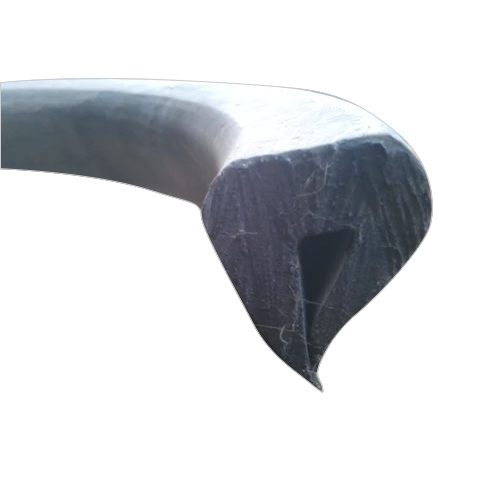
Black Rubber Beading
150 INR/Kilograms
Product Details:
- Load Capacity Not Relevant
- Weight Approx. 200g/meter
- Temperature Range -40C to +120C
- Size As specified (standard and custom sizes available)
- Working Life 5-10 Years depending on conditions
- Part Type Body and window trim/seal
- Product Type Black Rubber Beading
- Click to View more
X
Black Rubber Beading Price And Quantity
- 150 INR/Kilograms
- 50 Kilograms
Black Rubber Beading Product Specifications
- Manual fitment
- Extruded
- Smooth finish
- Not Relevant
- Approx. 200g/meter
- Push-on/Slot fit
- Sound dampening properties
- Body and window trim/seal
- Polished
- Black
- Black Rubber Beading
- All vehicle types (cars, buses, trucks, etc.)
- Automobile Industry
- Yes
- BRB-101
- Rubber
- Customizable; typically 10 mm x 8 mm x as required
- -40C to +120C
- BRB-BLK2024
- As specified (standard and custom sizes available)
- 5-10 Years depending on conditions
- High
- 250% minimum
- 8 MPa minimum
- 655 Shore A
- Excellent
- Available on request
- Yes
- Easy to install manually
- 20% (22hrs at 70C)
Black Rubber Beading Trade Information
- Cash Advance (CA)
- 10000 Kilograms Per Month
- 3 Days
- All India
Product Description
Black rubber beading, also known as black rubber edge trim or black rubber seal, is a flexible and durable rubber profile used for sealing, edging, and protecting various applications. It is commonly made from high-quality EPDM (ethylene propylene diene monomer) or neoprene rubber, known for their excellent resistance to weathering, UV rays, ozone, and temperature variations. Black rubber beading is widely used in industries such as automotive, construction, marine, and general manufacturing for sealing gaps, preventing vibration, cushioning impacts, and providing a finished appearance.
FAQs:
Q: What is black rubber beading?
A: Black rubber beading, also referred to as black rubber edge trim or black rubber seal, is a flexible and durable rubber profile used for sealing, edging, and protecting various applications. It is typically made from high-quality EPDM or neoprene rubber, known for their excellent resistance to weathering, UV rays, ozone, and temperature variations.
Q: How is black rubber beading used?
A: Black rubber beading has versatile applications across different industries. It is commonly used for sealing gaps, edges, or joints to prevent moisture, dust, and debris from entering. It provides a tight and secure seal in automotive applications, windows, doors, cabinets, machinery, and equipment. Black rubber beading is also used for cushioning impacts, reducing noise and vibration, and providing a finished appearance to surfaces.
Q: What are the advantages of using black rubber beading?
A: Black rubber beading offers several advantages. It provides excellent sealing properties, effectively preventing the ingress of moisture, air, dust, and noise. The durable rubber material ensures long-lasting performance and resistance to weathering, UV rays, ozone, and temperature extremes. Black rubber beading is flexible, allowing it to conform to irregular shapes and contours. It is also easy to install, cost-effective, and available in various sizes and profiles to suit different applications.
Q: Where is black rubber beading commonly used?
A: Black rubber beading finds widespread use in multiple industries. It is commonly utilized in automotive applications, including door seals, window seals, trunk seals, and weatherstrips. In construction, black rubber beading is used for sealing windows, doors, and other building joints. It is also employed in marine applications for sealing hatches, windows, and boat fittings. Additionally, black rubber beading is used in general manufacturing for edge protection, vibration damping, and sealing applications.
Versatile Automotive Application
Designed to fit all vehicle types-including cars, buses, and trucks-Black Rubber Beading serves as both a body and window trim or seal. Its customizable dimensions and robust extrusion offer adaptability and reliability in diverse automotive environments.
Long-Lasting Performance and Protection
With an operational lifespan of 5-10 years and high resistance to UV rays, ozone, and corrosion, this beading protects against weathering and wear. Its waterproof and noise-dampening properties further enhance vehicle comfort and durability for extended periods.
Effortless Installation and Customization
The extruded rubber beading is engineered for easy manual installation through push-on or slot-fit methods. Available in both standard and customizable sizes, it seamlessly matches various automobile requirements and finishes with a polished, smooth appearance.
FAQ's of Black Rubber Beading:
Q: How do I install Black Rubber Beading BRB-101 on my vehicle?
A: The rubber beading is designed for manual installation using push-on or slot-fit techniques. Simply align the beading with the targeted edge-such as windows or body trims-and press it into place. No specialized tools are required, making the process convenient for manufacturers, suppliers, and end users.Q: What are the main benefits of using this rubber beading in automobiles?
A: This product provides high UV and ozone resistance, waterproof protection, excellent noise dampening, and corrosion resistance. It also offers a long operating life, increased comfort, and enhanced protection for vehicle interiors and components.Q: When should I consider replacing the rubber beading?
A: Replacement is generally recommended every 5-10 years, depending on exposure to environmental conditions and the level of wear. Signs of cracking, loss of elasticity, or reduced sealing performance indicate the need for replacement.Q: Where can Black Rubber Beading BRB-101 be used within the vehicle?
A: It is suitable for application along body panels, door frames, windows, and other trim areas where sealing or noise reduction is needed. Its dimensions and smooth finish make it versatile for different surfaces and vehicle models.Q: What installation process is involved for custom dimensions or projects?
A: For custom dimensions, provide your specific size requirements to the supplier or manufacturer. The extruded beading will be produced to fit your needs and can be installed manually following the same push-on/slot-fit process as standard sizes.Q: Is fire-retardant rubber beading available?
A: Yes, a fire-retardant option is available upon request. Inform your supplier or manufacturer at the time of order to ensure you receive the appropriate fire-resistant variant for your application.Tell us about your requirement

Price:
Quantity
Select Unit
- 50
- 100
- 200
- 250
- 500
- 1000+
Additional detail
Mobile number
Email

Other Products in 'Rubber Beading' category

AMAR WIRE MESH INSDUSTRIES
All Rights Reserved.(Terms of Use)
Developed and Managed by Infocom Network Private Limited.
Developed and Managed by Infocom Network Private Limited.

